Utilizing WearAble TeCHnology for Enhanced Monitoring and Management of Long COVID (U-WaTCH)
Post-COVID syndrome (PCS) is characterized by complex, persistent symptoms. One particularly debilitating symptom is post-exertional malaise (PEM) – excessive fatigue after exertion. For those affected, even everyday activities such as shopping can lead to a “crash” that can last from hours to weeks. To date, there is little information available on the pathophysiological changes associated with PEM.
Project objective
The overall goal of the U-WaTCH project is to investigate whether continuous real-time monitoring using wearables can effectively predict post-exertional malaise (PEM) and associated “crashes” in post-COVID syndrome (PCS). These findings will then be used to develop interventions.
The focus is on investigating the relationships between physiological parameters recorded by wearables and PEM symptoms reported by patients. Based on this individual real-time data, machine learning models will be developed that can predict PEM-associated crashes. Data collection will be carried out in three groups: PCS patients with PEM, patients with inflammatory rheumatic diseases and PEM, and a healthy control group. This will not only enable the characterization of PEM patterns in PCS, but also allow comparison with other diseases in which PEM occurs.
Basic data
Term: 36 months
Funding: Bundesministerium für Gesundheit (BMG)
Project Consortium
Hanover Medical School (MHH), Department of Rheumatology and Immunology, Coordinator
University Medical Center Göttingen (UMG), Department of General Medicine
Society for Scientific Data Processing (GWDG)
Ostfalia University of Applied Sciences
DRKS-Registration
Registration with the German Clinical Trials Registry is available online.
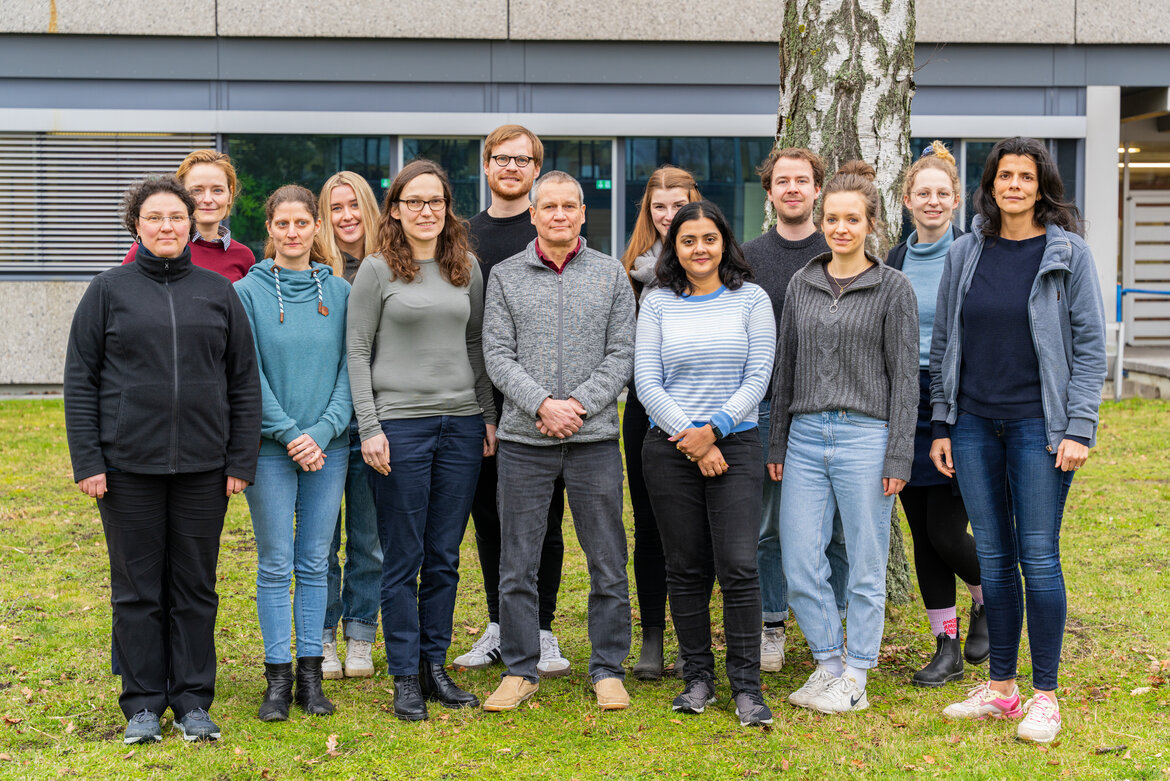
Project team